ibc tank: Practical Advantages for Bulk Storage and Daily Operations
ibc tank: Practical Advantages for Bulk Storage and Daily Operations
ibc tank help streamline bulk handling by reducing container count, improving staging efficiency, and supporting safer, more predictable transport. Learn how ibc tank are used and what to check before choosing one.
Bulk storage is rarely just about holding volume. It is about controlling flow, minimizing handling time, and keeping logistics consistent from receiving to staging to transport. That is where ibc tank can make a noticeable difference. By consolidating liquids or bulk materials into standardized units, ibc tank can simplify day-to-day routines, reduce repetitive movements, and support cleaner warehouse organization. In this article, we will look at where ibc tank fit best, what benefits teams typically see, and how to select the right setup for your use case.
Product link:
ibc tank
What an ibc tank is and why it is used
An ibc tank is an intermediate bulk container used for storing and transporting liquids and certain granulated materials. Many businesses choose ibc tank because the format is built around efficiency. Rather than managing many small containers, ibc tank enable bulk handling in fewer units, which can simplify inventory counts and reduce transfer steps.
Where ibc tank are commonly applied
Because ibc tank are adaptable, they show up in many industries and workflows. Common scenarios include:
- Industrial and chemical workflows: compatible substances can be stored with a focus on controlled handling and safer staging.
- Food and ingredient handling: food-grade options can support certain edible liquids when the specification confirms suitability.
- Agriculture and facility supply: water and other inputs can be stored and distributed with fewer handling steps.
Advantages that improve real workflow
ibc tank are often adopted because they improve measurable operational points, not only because they look efficient on paper. The benefits below are commonly evaluated:
| Advantage | What it improves |
|---|---|
| Fewer container units | Less time moving and organizing multiple small containers, with simpler labeling and inventory routines. |
| More predictable staging | Standard footprints help teams maintain clear storage zones and reduce clutter near loading areas. |
| Improved transport planning | Consistent size and shape can make load planning, securing, and route logistics more straightforward. |
| Potential waste reduction | Depending on your reuse policy, ibc tank can lower one-time packaging usage compared to small-container systems. |
How to choose the right ibc tank
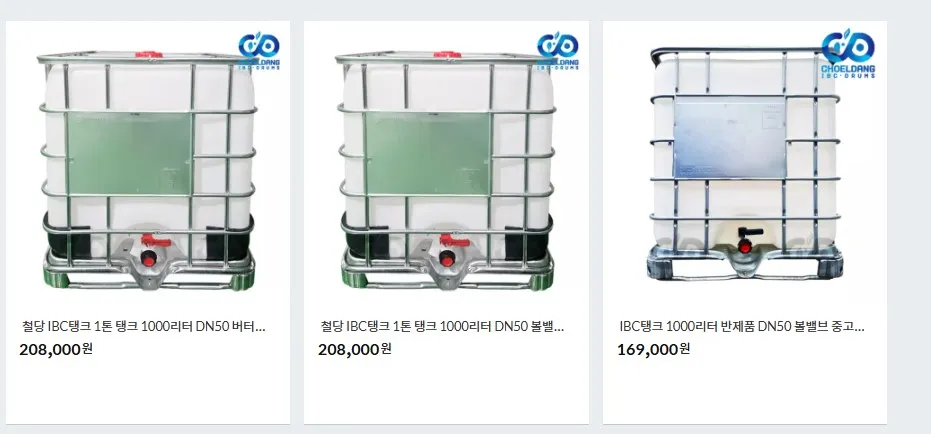
Selecting an ibc tank should start with your substance and workflow, not just capacity. The checks below help prevent mismatches:
- Material compatibility: confirm the tank material is suitable for what you store, including any sensitivity to chemical reaction or absorption.
- Capacity planning: match ibc tank size to usage rate, delivery schedule, and the physical space available for storage.
- Dispensing and fittings: ensure valves and fittings align with your transfer method, reducing spill risk and simplifying setup.
- Handling equipment: verify forklifts, pallet systems, or staging racks can support the ibc tank footprint and load rules.
- Compliance considerations: if your industry requires it, confirm standards related to safety, storage, or transport conditions.
In conclusion, ibc tank can improve bulk storage and transport by making daily handling simpler, staging more organized, and logistics more predictable. When ibc tank are chosen based on compatibility and real workflow needs, they typically deliver consistent efficiency gains that teams can feel in day-to-day operations.
To implement ibc tank successfully, map your current process first, identify where time is lost during transfers or staging, and then adopt ibc tank where standardization will reduce friction the most. This approach keeps results clear and avoids unnecessary complexity.