The Practical Benefits and Everyday Uses of IBC Tanks
The Practical Benefits and Everyday Uses of IBC Tanks
Intermediate Bulk Containers, known as “ibc” tanks, are a dependable solution for storing and transporting liquids and bulk materials. Their strong construction, reusable design, and efficient shape make them a smart option for many industries.
What Are IBC Tanks?
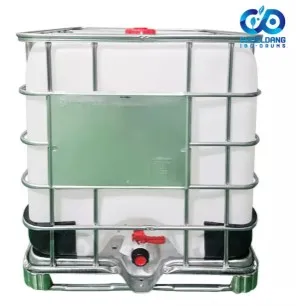
IBC tanks are heavy-duty bulk containers developed for the safe storage and movement of liquids and other materials. They are commonly used in agriculture, chemical processing, pharmaceutical production, and food manufacturing. Most IBC tanks use a high-density polyethylene (HDPE) inner tank supported by a metal cage frame, which helps provide strength, stability, and product protection.
Key Features of IBC Tanks
IBC tanks are widely used because they combine durability with efficient handling features:
- Durability: Their reinforced design helps them perform reliably in demanding storage and transport environments.
- Reusability: Many IBC tanks can be washed and refilled, making them a cost-saving and eco-conscious choice.
- Space Efficiency: Their compact square shape allows easier stacking and better use of warehouse space.
Benefits of Using IBC Tanks
Using IBC tanks can improve both storage and logistics performance in several ways:
One major benefit is lower long-term cost. Since IBC tanks are made for repeated use, businesses can reduce the need for frequent container replacements. Their larger capacity also helps improve transport efficiency by allowing more material to be moved at once.
Another important advantage is safety. IBC tanks are built with secure closures and stable outer frames, which help reduce leaks, spills, and contamination risks. This is especially valuable for companies handling chemicals or sensitive liquids.
They are also highly versatile. IBC tanks can be used for industrial fluids, water, and food-grade liquids, making them suitable for many different operational needs.
Applications of IBC Tanks
IBC tanks are used across multiple industries for a variety of purposes:
| Industry | Application |
|---|---|
| Agriculture | Storage of water, fertilizers, and liquid crop treatment materials |
| Chemicals | Storage and transportation of industrial liquid products |
| Food and Beverage | Handling of edible oils, syrups, and other liquid ingredients |
Choosing the Right IBC Tank
Before selecting an IBC tank, it is helpful to review these key factors:
- Material: Ensure the tank material is compatible with the product you plan to store or transport.
- Size: Choose a capacity that fits your storage volume and shipping workflow.
- Regulations: Confirm that the tank meets applicable safety and industry compliance requirements.
In conclusion, IBC tanks are an efficient and reliable choice for businesses that need safe bulk storage and transportation. Their durable build, practical design, and reusable structure make them a valuable long-term asset.
If you want to improve handling efficiency and reduce packaging-related costs, IBC tanks are worth considering. Reviewing your material type, volume needs, and compliance standards will help you select the right option.